...an alliterative means of raising the issue of arrests, prosecutions and jail terms for tweets and other social network postings!
As many have flagged up, it is arguable that Leveson's lengthy report is rendered farcical and pointless as it essentially pretends the press remains a print medium, ignoring the wider, wilder web. Some incredible cases have been nrought to court offering up a more chilling restriction on the freedom of speech that any of the mild press regulation reforms mooted and hysterically condemned in much of the press, but with comparatively little comment.
Today saw a key announcement by a judge fed up at spurious cases reaching the courts thanks to over-zealous police and CPS. It seeks to tighten up definitions of what is/isn't criminal on Twitter etc - though could still be seen as a frightening restriction on freedoms within a supposedly democratic society. Judge for yourself: http://www.guardian.co.uk/technology/2012/dec/19/twitter-facebook-jokers-prosecution.
Showing posts with label Crown Prosecution Service. Show all posts
Showing posts with label Crown Prosecution Service. Show all posts
Wednesday, 19 December 2012

Tuesday, 23 October 2012
WIDER LAW: CONTEMPT Mail/Mirror fined (Milly Dowler case))
A good example of how wider law acts as a regulator: both the Mail + Mirror were fined (something the PCC didn't have the power to do, but its successor likely will) £10k each for their reporting on the now-convicted killer of Milly Dowler. Press reportage can be seen to influence jury decisions, so the media are not meant to report on live cases in such a way as to make a fair trial problematic.
As the article notes, there were other recent examples of this: 'In July last year, the Daily Mirror was fined £50,000 and the Sun £18,000 for articles on the arrest of Christopher Jefferies, who was later released without charge, in the Joanna Yates murder case. Vincent Tabak was found guilty of her murder in October 2011.'
This comes in the same month as Frankie Boyle won his libel case against the Mirror (called him a racist), being awarded £50k damages.
Daily Mail and Daily Mirror fined for contempt of court
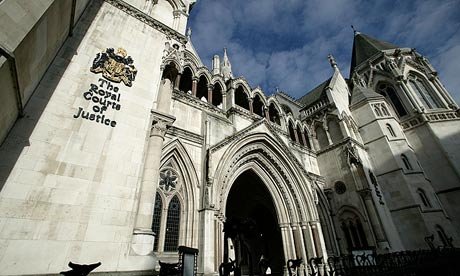
Newspapers fined £10,000 each over coverage of Levi Bellfield's conviction for the abduction and murder of Milly DowlerThe Daily Mail and Daily Mirror have been fined £10,000 each, and ordered to pay £25,000 apiece in costs, for breaching contempt of court laws with their coverage of Levi Bellfield's conviction for the abduction and murder of Milly Dowler.
The two newspapers were found guilty of contempt of court in July after two senior judges said their coverage risked serious prejudice to Bellfield's trial.
Sir John Thomas and Mr Justice Tugendhat last week ordered the Daily Mail and Daily Mirror to pay £10,000 each, plus £25,000 apiece in costs.
However, reporting restrictions meant the fines could not be made public until after the verdict in comedian Frankie Boyle's libel trial against the Daily Mirror had been delivered on Monday. Boyle won his case against the Daily Mirror and was awarded more than £50,000 in damages.
The Bellfield articles were published by the Daily Mirror and Daily Mail on the day after his conviction for the murder and abduction of Milly Dowler, while the jury was considering another charge on the attempted kidnapping of Rachel Cowles.
The articles contained background information about Bellfield, which the high court said went far beyond what the jury had been told in court.
The Daily Mirror reported allegations of Bellfield's violent treatment and sexual abuse of his ex-wife and a former partner, and an allegation that he had once boasted of raping a disabled girl.
Sir John Thomas, high court judge and president of the Queen's Bench division, said: "Bearing in mind the amount of costs paid, we can take the course in this case of fining each newspaper at the very bottom end of the scale, namely £10,000 each.
"But for the future the message is clear and the court's observations, we hope, will ensure others exercise the most scrupulous care at the critical time in a case where only some verdicts have been returned and others remain outstanding."
Both the Daily Mirror and Daily Mail expressed surprise and disappointment at the contempt verdict in July.
They questioned whether their coverage had an adverse impact on a jury which had already found Bellfield guilty of two murders.
In July last year, the Daily Mirror was fined £50,000 and the Sun £18,000 for articles on the arrest of Christopher Jefferies, who was later released without charge, in the Joanna Yates murder case. Vincent Tabak was found guilty of her murder in October 2011.
Friday, 14 September 2012
Crown Prosection Service as regulator: journalists' public interest defence
I'm writing in Sept 2012 when its widely assumed PM Cameron will afford the press yet another extension to 'drinking in the last chance saloon' (David Mellor's famous phrase from the time of Calcutt's Report). However, a review by the CPS establishes its credentials as a regulator of last resort above and beyond the PCC or any successor body. Details of a review of criteria for prosecuting journalists have just been published, which, amongst other things, begin to set out a firmer legal definition of the public interest defense that many of the PCC's code of conduct clauses had as an asterisked exception, or get-out; it also clarifies issues around privacy:
CPS publishes advice on prosecuting journalists over illicit newsgathering
Changes following five-month consultation on draft guidelines include closer scrutiny for so-called 'fishing expeditions'
Keir Starmer, the director of public prosecutions, said on Thursday that the guidance underlines the need for prosecutors to consider public interest factors before deciding whether to bring criminal charges against journalists.
"The purpose of the guidelines is to strike the right balance between the important public interest in a free press and the need to prosecute serious wrongdoing," said Starmer.
Changes following a five-month consultation on the draft guidelines include fresh guidance on prosecutions in cases involving fishing expeditions, and examples of stories that could be described as raising important matters of public debate.
The guidance advises prosecutors to consider what information was available to a journalist at the start of their investigation into the target of a story. This means that fishing expeditions – where the journalist does not have prima facie evidence of wrongdoing before using illicit newsgathering methods – will face closer scrutiny by prosecutors when deciding whether to launch criminal proceedings.
Another section gives examples for the first time about what prosecutors should consider "important matters of public debate". The guidance says that serious impropriety, significant unethical conduct and significant incompetence should all fall under this category.
The revised guidelines contain more detail about invasions of privacy by journalists. Prosecutors are advised to examine the particular impact of the invasion of privacy – which could include voicemail interception or email hacking – on the victim.
"When considering invasions of privacy, regard must be given to the level of seriousness of the invasion, whether on the facts there was a reasonable expectation of privacy, and whether the conduct in question was proportionate to the public interest claimed to have been served," the CPS guidelines state.
The guidelines come into force immediately and represent the first formal CPS policy involving the prosecution of journalists. They follow an unprecedented spate of arrests of journalists in Scotland Yard's investigation into alleged phone hacking, computer hacking, other breaches of privacy, and payments to police and public officials.
The CPS said it had examined ongoing prosecutions in this area – including the high-profile charges brought against former News International chief executive Rebekah Brooks and the former News of the World editor Andy Coulson – and decided they are in line with the formal guidance published on Thursday.
Prosecutors are advised to consider whether the public interest served by journalistic conduct outweighs the overall criminality before bringing criminal proceedings.
The acting chairman of the Press Complaints Commission, Lord Hunt, welcomed the guidance and said he hoped it would "generate a greater understanding and appreciation of the public interest, and also of the need to take it into account in editorial decision-making".

Subscribe to:
Posts (Atom)